Rated
How to start a dog walking business in the UK
What you need before you take your first dog out: council rules, insurance, what to charge, how to get customers, and when a website starts to matter.

In short
There is no national licence for dog walking in the UK, but your council may limit how many dogs you can walk or require a permit, so check before you start. You will want public liability insurance that covers the number of dogs you walk. Expect to charge about £10 to £15 for a 30 minute solo walk and £16 to £25 an hour, with group walks from about £8. Your first customers will probably come from neighbours, vets and local groups.
Dog walking is one of the cheapest businesses to start. You need a lead, some bags and a pair of boots, and you can have your first customer within a week.
What takes more thought is the part around the walks: council rules, insurance, how you handle other people's keys, and what you charge. Get those right at the start and the business is much easier to grow.
Do dog walkers need a licence?
There is no national licence for dog walking in the UK. That doesn't mean there are no rules.
Councils can set their own through Public Spaces Protection Orders, and these vary from one area to the next. Some have no limit on the number of dogs, some limit it to four or six, and some ban dogs from certain parks altogether. Tower Hamlets, for example, has had a general limit of four, with a professional licence allowing up to six.
Search your council's website for "dog control order" or "PSPO" before you start, and check every area you plan to walk in, because the rules can change at a boundary. Some privately run parks and estates also have their own permits for commercial walkers.
Watch out for one thing. Walking dogs is one activity. Looking after them at your home, overnight or during the day, is another. In England, home boarding and dog day care run as a business need a council licence, with an inspection and a star rating. Don't add those to your services without checking.
Dog walking insurance
Public liability insurance is the one to sort first. It covers you if a dog in your care injures someone or damages something.
When you compare policies, check:
- How many dogs it covers at once. Most insurers will not cover more than six.
- Care, custody and control. This covers the dogs while they are with you, which is not always included as standard.
- Key cover. If you lose a customer's house key, the cost of changing their locks can be yours.
- Cover for your vehicle. Your ordinary car insurance may not cover carrying dogs for work.
Some councils will ask to see your insurance. Tower Hamlets has required at least £2 million of public liability cover, for instance. It is also one of the first things a careful owner will ask about, so have the details ready.
Decide how many dogs you will walk
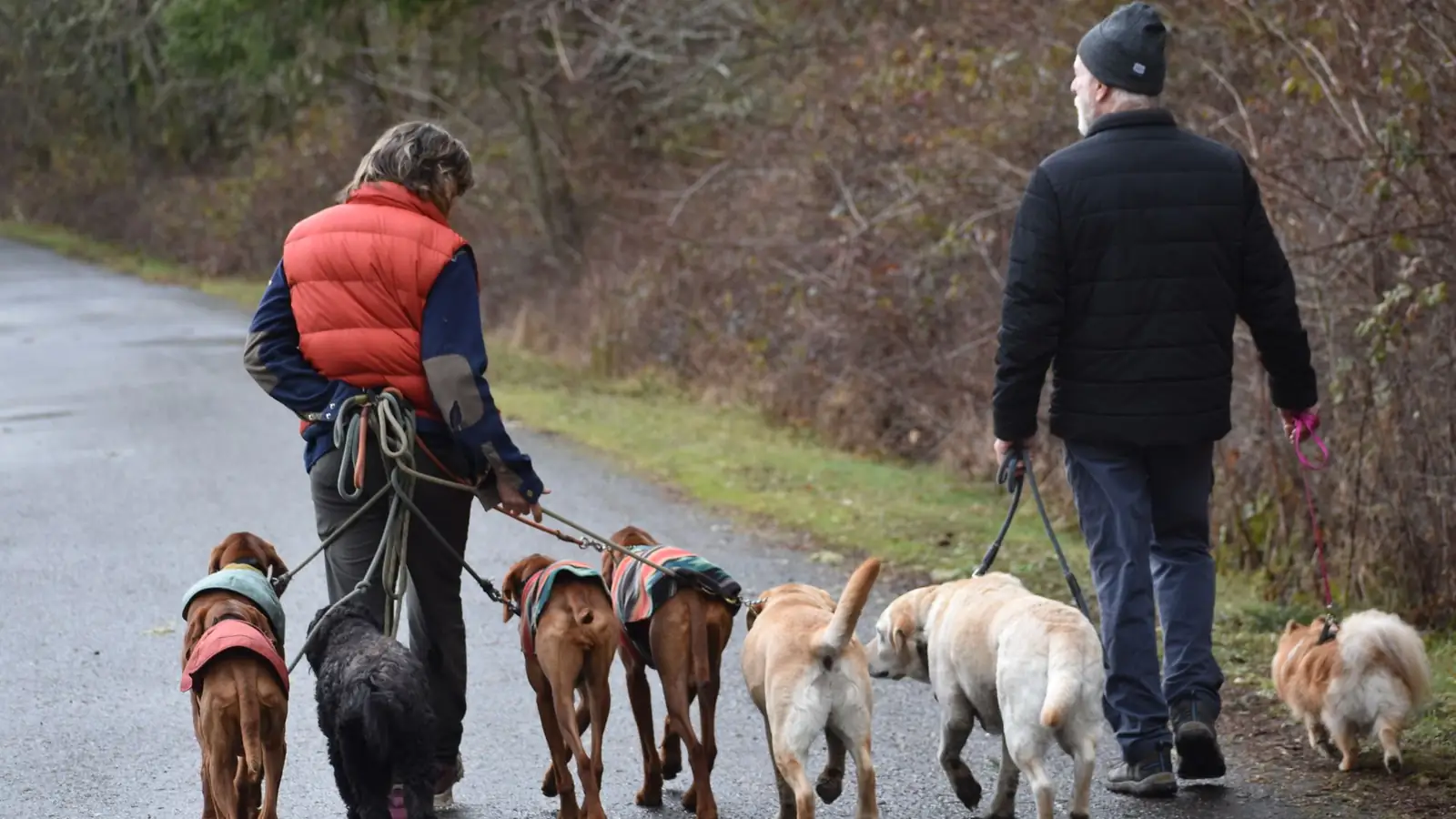
Just because you are allowed six doesn't mean you should take six. Dogs Trust suggests no more than four at a time. Fewer dogs means more control, safer walks and an easier promise to make to owners.
Plenty of walkers charge more and walk fewer. "Small groups of no more than four" is a reason to choose you, and worth saying wherever you advertise.
How you will carry dogs
If you drive dogs to the walk, they must be restrained. Rule 57 of the Highway Code says a harness, carrier, cage or guard are the ways to do it. Many walkers fit out a van or estate car with separate crates, which also stops dogs that don't get on from having to share a space.
Never leave dogs in a vehicle in warm weather, even for a few minutes.
Dog walking prices: what to charge
Published UK figures give a rough guide, though they come from insurers and pet-sitting websites, so check your own area too.
| Type of walk | Typical UK price |
|---|---|
| Group walk | From about £8 |
| 30 minute solo walk | About £10 to £15 |
| One hour | About £16 to £25 |
| London, solo or specialist walks | £20 to £30 or more |
Rough figures from published UK guides, including Protectivity's, November 2026.
Don't just match the cheapest walker near you. Work out how many walks you can realistically fit into a day once you've added driving, pick-ups and drying off muddy dogs. Then work out what each walk needs to earn. Owners who want a reliable person they trust with a house key are rarely shopping on price alone.
Sort the paperwork
Before you take on a dog, have these in place:
- A signed agreement covering what you will do, your prices and your cancellation terms.
- The dog's details: vet, vaccinations, medical needs and how it behaves around other dogs.
- Permission for emergencies, so you can take a dog to a vet if you can't reach the owner.
- A safe system for keys. Label them with a code, never an address.
- A meet and greet with every new dog before the first walk.
You will also need to register as self-employed with HMRC once your income goes over the £1,000 trading allowance in a tax year, and keep a record of what comes in and goes out from the first day.
How to find your first customers
Most walkers fill their first few slots locally. These usually work best:
- Friends, neighbours and people you already see on walks. Being visibly good with dogs in your own area is free advertising.
- Vets, dog groomers and pet shops. Ask if you can leave cards, and offer to send customers their way too.
- Local Facebook groups. Answer when people ask for recommendations.
- Pet-sitting apps. Useful when you are starting out, but you are one profile among many, and the customer relationship sits with the app.
- A Google Business Profile. This is free, and it is how you appear when someone searches for a dog walker nearby. If you work from home, set it up as a service-area business so your home address stays hidden.
Ask every happy customer for a Google review from the start. Owners are trusting you with their dog and their house key, so reviews count for a lot, and they build up over time.
When a website starts to matter
You don't need one on day one. A few cards and a Google profile will get you started.
It starts to matter when you want more customers than word of mouth brings, or when you're tired of explaining your prices and areas in messages. Most people who hear your name will look you up before they get in touch, and search for a dog walker and you'll find the big apps taking most of the top results. Your own website is where people who've already heard of you can see who you are and contact you directly.
It doesn't need to be complicated. We've written a guide to what a dog walking or dog grooming website should include, and if you'd rather someone else sorted it, that's what our websites for pet businesses are for.
Setting up your dog walking business?
When you are ready for a website, we write it, build it and look after it, with your areas, prices and insurance easy to find. It's £450 to build, then £15 a month, and you pay nothing until you have approved it.
See websites for dog walkersFrequently asked questions
There is no national dog walking licence. Some councils do have their own rules, including limits on how many dogs one person can walk and, in a few places, permits for professional walkers. Check with the council for each area you plan to walk in.
There is no UK-wide limit. Councils set their own, and four or six are common figures. Dogs Trust suggests no more than four at a time, and many insurers will not cover more than six.
Published UK figures put a 30 minute solo walk at about £10 to £15 and an hour at about £16 to £25, with group walks from about £8. London and other expensive areas charge more. Check what other walkers near you charge before you set your prices.
In England, home boarding and dog day care run as a business need a licence from your council. That is separate from walking, so check before you offer them.
Not on day one. Once you have a few customers and want more, a simple website gives people who hear your name somewhere to check you out, and lets them contact you directly rather than through an app.